
Integration is the Next Big Step
We've got the knowledge, tools and skills at our fingertips; we just need to remember to use them

My close friend and I were swapping stories about the past week, laughing heartily about the similarities in our experiences. Several states apart, and our personal cast of characters quite different, it was the story arc and plot twist that were identical. One of our favorite things to do is tease apart the common threads and share the cliff notes of how we engaged in these vignettes.
What keeps us so intrigued is that a basic life script can turn into a “choose your own adventure” and lose the entire plot without a little intervention and integration.
I was telling my friend about how I intervened with a simple reframing of the unfolding chain of events. To me, this felt quite natural - to step in and act as the director, observing that we were going off-script. It’s the equivalent of having a little clapboard, stopping the action and announcing “take 2”.
My cast of characters all stopped just long enough to take into consideration the value of reframing and getting a fresh perspective. What they were squabbling about was not quite as consequential as it felt in the heated moment. Before things derailed, we had a “take 2” and moved on to more productive ways to solve a rather small problem.
My close friend chuckled as she listened to my story - and then remarked “I have these tools at my disposal too. I just forget to use them.”
I shared with my friend that I have an abundance of opportunities to practice using the psychological and emotional skills and tools that I have gathered in my toolbox. Like her, I used to miss those golden opportunities to test them out in real time.
“How did you get so skilled at remembering and using the tools?” my friend inquired. Here’s what I told her:
It was a short Instagram reel from Dr. Becky Kennedy that became the catalyst for me to intervene in my relationships with skills and tools - to put them all to work. Dr. Becky looked into the camera and calmly stated that we don’t need one more parenting tool. We already have a closet full of them. We just need to start using them.
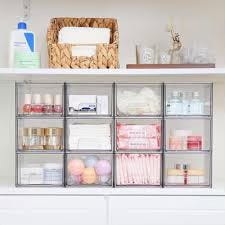
As Dr. Becky was urging us to stop stock-piling skills and tools like they were something we need later, I got a mental image of well-stocked bathroom closet full of toilet paper, bandaids, toothpaste, body wash and shampoo. Right next to all the bins that housed the abundant stockpile of good hygiene, was one labeled “relationship skills and tools”. The lid was snapped tight and tucked inside, neatly organized were things like reframing, co-regulation, validation, perspective-taking, an app for emotional vocabulary and definitions, antidotes for cortisol overload such as oxytocin, and simple breath work exercises.
This mental image made me laugh out loud. That urging that Dr. Becky was giving us became a change agent for me. I too had a big stockpile of multi-tools but I rarely put them to good use in real time. I had been trying them out in safe friendships and small stakes situations, but that was child’s play.
It was time to up my game - and begin integrating the tools and skills I had acquired. They were doing me no good in a neatly organized plastic bin with the lid snapped tight.
I adopted a new mental image for my relationship and emotional multi-tools and first aid kit: A backpack. Never leave home without it, I told myself - be a real time, real life first responder, always at the ready to reach in and grab a better way to support people.

I think that integration begins with intention. Setting a pivotal intention becomes the shift from “reactor” to “pro-activator”. I began to see those small daily dust-ups as opportunities to practice tools and skills. I borrowed a hilarious line from my grandson to help me remember my new role: “Clean up in aisle 6!”
Whenever a family member or friend was frustrated, angry or melting down, I’d think of myself as the never flummoxed janitor who just comes in and attends to the mess. I’d take a deep breath, a pause between stimulus and response, and ask myself — what tool do you have at your disposal to help this situation?
I’d imagine a mini version of Dr. Becky sitting on my shoulder, coaching me through a live demonstration of a tool or skill. Of course, I was nervous - I was doing something different for the very first time. Chances were high that I wouldn’t get it perfect, but what I did begin to trust was that I was getting closer to handling things better.
Brene Brown has a mantra that I tucked into my imaginary backpack that helps a lot in this integration process: I am not here to be right, I am here to get it right.
I shared with my close friend that day that I was well aware that I had to break my habit of meeting family and friends with old patterns. Nothing would change if I didn’t accept Dr. Becky’s urging to replace protective armor and ineffective behavioral patterns with the healthier, more effective tools and skills. They were doing me no good sitting on the shelf.
And I knew from all that Brene Brown offers so authentically that I would be clumsy at first. But, nothing ventured, nothing gained. And I wanted to gain ground in my ability to use the tools and skills I had collected.
These days, my friend and I have adopted a new way to share our stories. We reference how we tried out a new psychological tool or an emotional regulation technique. We are proactively looking for practice opportunities in real time. I guess you could say we’ve created an integration challenge — and we are having so much fun with it!
I am echoing Dr. Becky’s urging: You already have acquired enough skills and tools. Chances are you even have more than the basics in a neatly organized plastic bin. Pop the lid and find one or two that you’d like to get really good at using. Use a mental image of a fanny pack, back pack or go bag — and carry those tools and skills with you into your day. Where can you meet a moment or meet people where they are with skill or a tool instead of a habitual reactive pattern?
Integration is essential. It requires practice, patience and consistency. Of course you will be clumsy - and you might even use a tool that doesn’t get the results you’d hoped to achieve — but remember, you are doing better. Give yourself credit for trying. Know that you met the moment with far improved, science-backed tools and skills.
Practice doesn’t make perfect - what it does make is better. A better you, better relationships, better ways of showing up for others, better feeling good about how you met the moment.